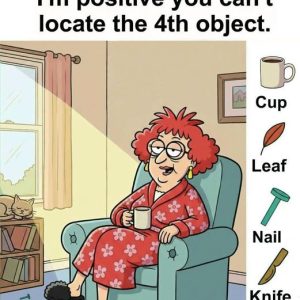
In the four-object puzzle described, viewers are asked to locate a cup, a leaf, a nail, and a knife. The twist: the knife is absent. Searching harder cannot reveal it, but expecting it can make ordinary outlines seem like promising clues. Hidden-object puzzles draw on attention, memory, and pattern recognition. They also illustrate how perception can be shaped by assumptions, turning a playful challenge into an unexpectedly frustrating experience.
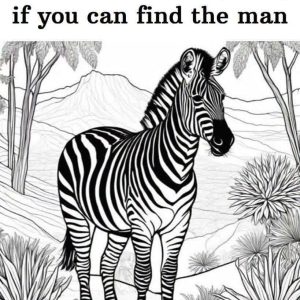
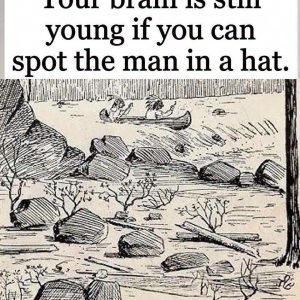
Other puzzles genuinely conceal their targets, such as a cat blended into a scene outside a woman’s house. Dividing an image into sections, checking overlapping shapes, and taking a short break can help. Pareidolia—recognizing familiar forms in random patterns—may also explain misleading discoveries. None of this makes a puzzle an intelligence test or proof of exceptional eyesight. The reassuring lesson is simple: missing an object does not mean failing, and sometimes questioning the instructions matters more than searching longer.

This Post Has One Comment